
Guide · Kauai
Kauai waterfalls: which ones you can hike, swim and rappel
Kauai is one of the wettest places on earth, and it shows. Here's how to actually experience its waterfalls, from roadside lookouts to a rope down the face of one, written by a guide who has spent 14+ years on them.
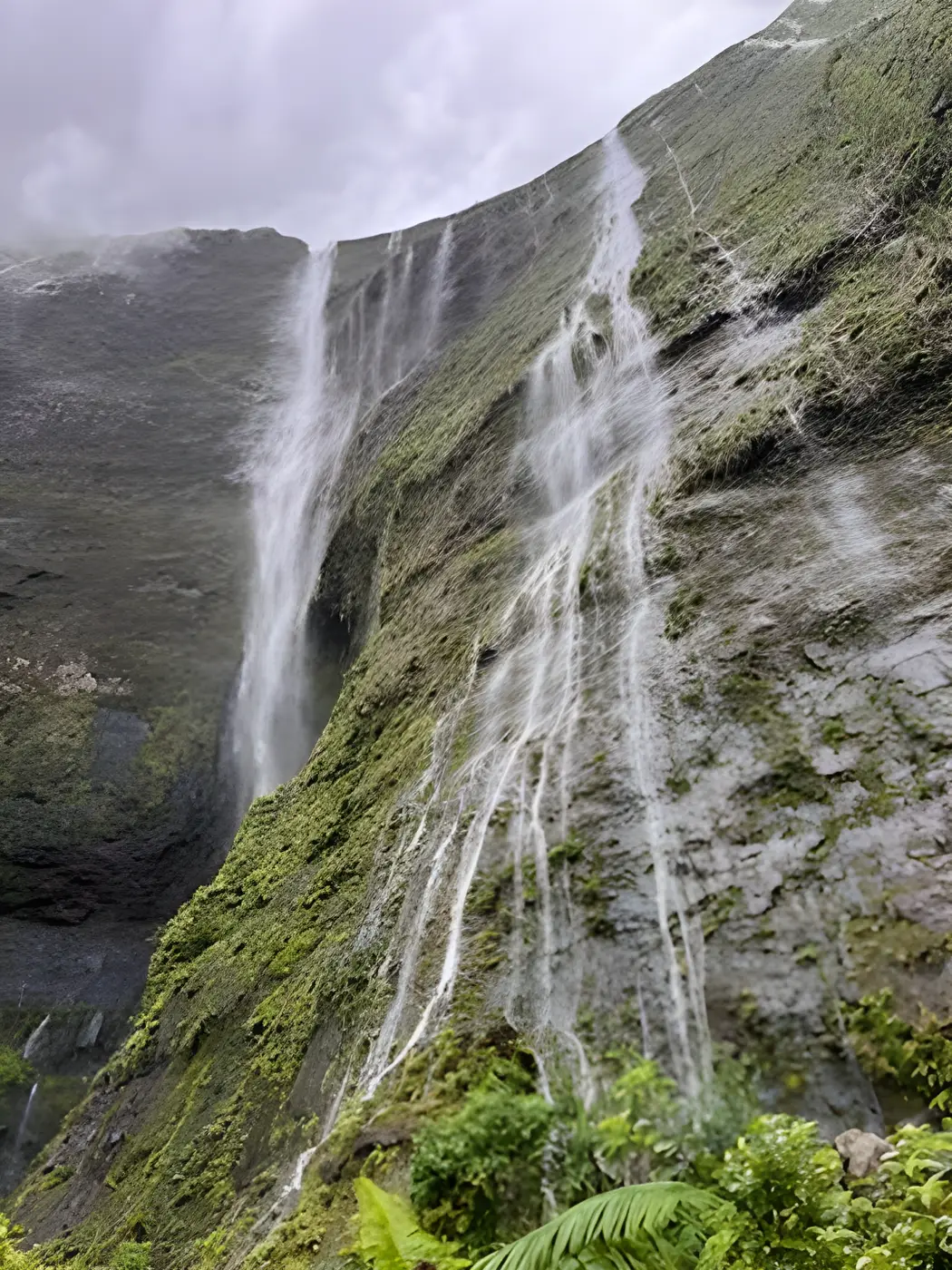
Rain falls on the center of Kauai almost every day, and all of it has to find its way to the ocean. The result is hundreds of waterfalls: some you can drive right up to, some take a full day of hiking, and some you'll only ever see from a helicopter. A few of the best moments on the island are hidden behind a short muddy trail on private land.
One honest note before the list: Kauai's waterfalls are beautiful because they're wild, and wild water is dangerous. Read the safety section before you go, especially if it has been raining.
Waterfalls you can see from the road
Wailua Falls
A tall double waterfall a short drive from Līhu'e, with a lookout right next to the parking area. It's at its best in the morning, often with a rainbow in the mist. Enjoy it from the top: the old scramble down to the pool is steep, slick and has caused serious injuries. Stay behind the railing.
'Ōpaeka'a Falls
A wide, steady fall on the east side, viewed from a paved lookout above the Wailua River valley. An easy stop with kids, and a good one to pair with the river.
Waipo'o Falls
The ribbon of white you see across Waimea Canyon from the main lookouts. It's one of the tallest falls on the island, and from the road it gives you a sense of how big the canyon really is.
Waterfalls you can hike to
Hanakāpī'ai Falls
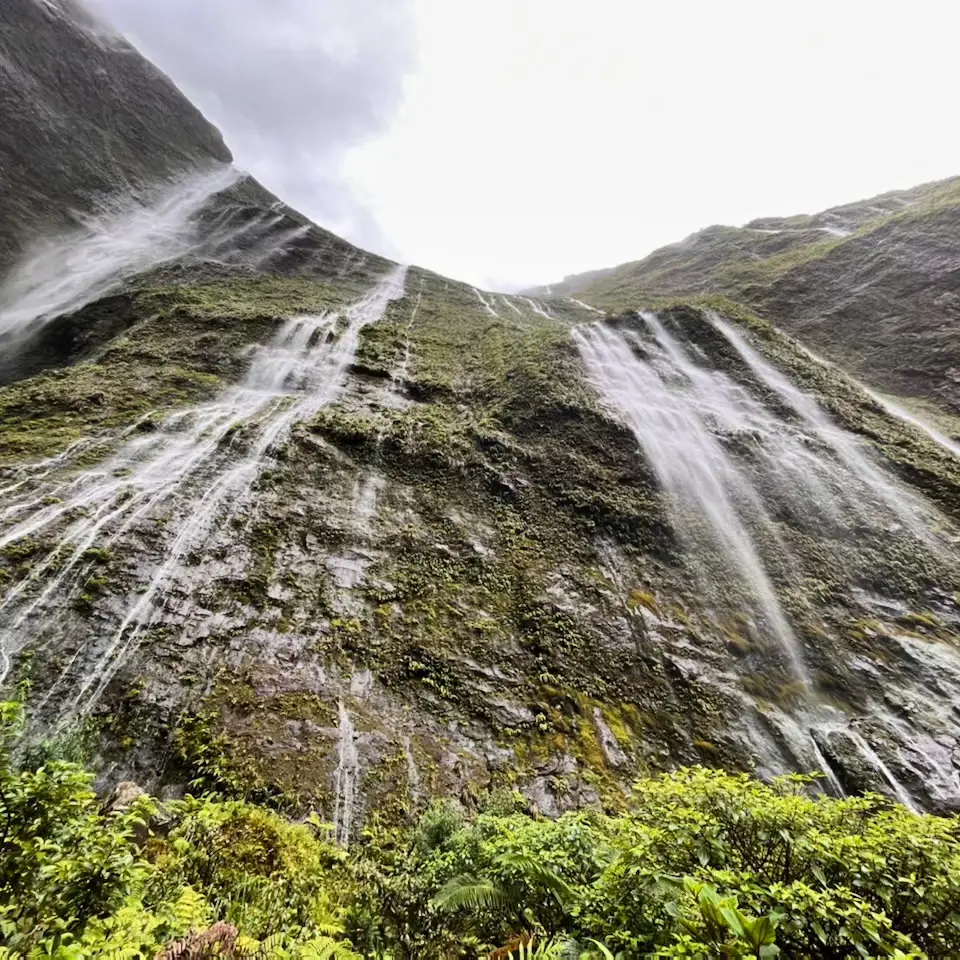
The big one on the north shore: a very tall fall at the end of a long, rough day on the Kalalau Trail along the Nā Pali Coast. Expect mud, roots, several stream crossings and a full day of effort. Reservations are required for Hā'ena State Park, so book entry or the shuttle ahead of time. Do not cross the stream if the water is rising or muddy.
Uluwehi Falls (often called Secret Falls)
Reached by paddling up the Wailua River and hiking a short jungle trail. Most people go with a kayak tour or a permitted rental. It's a classic Kauai half day: river, mud, and a cold pool at the end.
The top of Waipo'o Falls
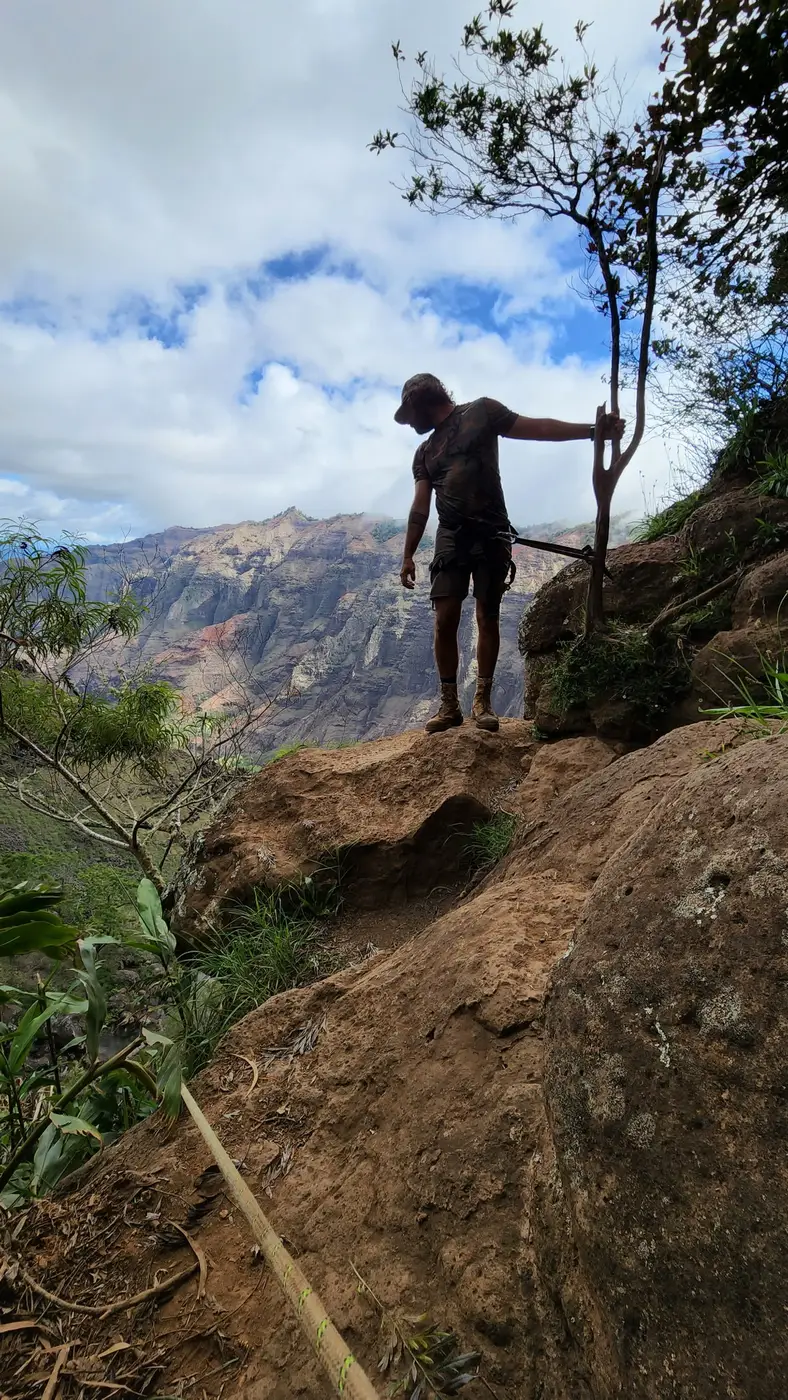
From the Waimea Canyon side you can hike down toward the top of Waipo'o Falls, where the stream pours off the edge. Red dirt, big views and a steep climb back out. Stay well back from the lip.
Tips from someone who maintains trails here:
- Mud is normal. Walk straight through it instead of balancing on wet rocks; that's where ankles get rolled.
- Start early. Rain usually builds in the afternoon, and streams can rise fast.
- Wear shoes you can get wet, with real grip. Flip-flops are how most trail injuries start.
- Stay on the trail. Shortcuts cause erosion and many routes cross private or protected land.
- More hikes: see the best hikes on Kauai, from a trail builder.
Swimming at Kauai waterfalls
A cold plunge pool under a waterfall is one of the best feelings on the island. A few rules keep it that way:
- Don't jump. Pools hide rocks and logs, and depth changes after every storm.
- Don't swim right under the falls. Rocks and branches come down with the water.
- Keep cuts covered and don't swallow the water. Freshwater in Hawai'i can carry leptospirosis.
- Get out if the water turns brown or starts rising. That's a flash flood warning sign.
Waterfalls you can only see from the air
Some of Kauai's most famous falls are deep in the interior with no public trail at all, including the fall made famous by Jurassic Park and the "weeping wall" of streams near Wai'ale'ale, one of the rainiest spots on earth. A helicopter tour is the only realistic way to see them. Go early in the day, when the interior is most likely to be clear.
Rappelling a Kauai waterfall
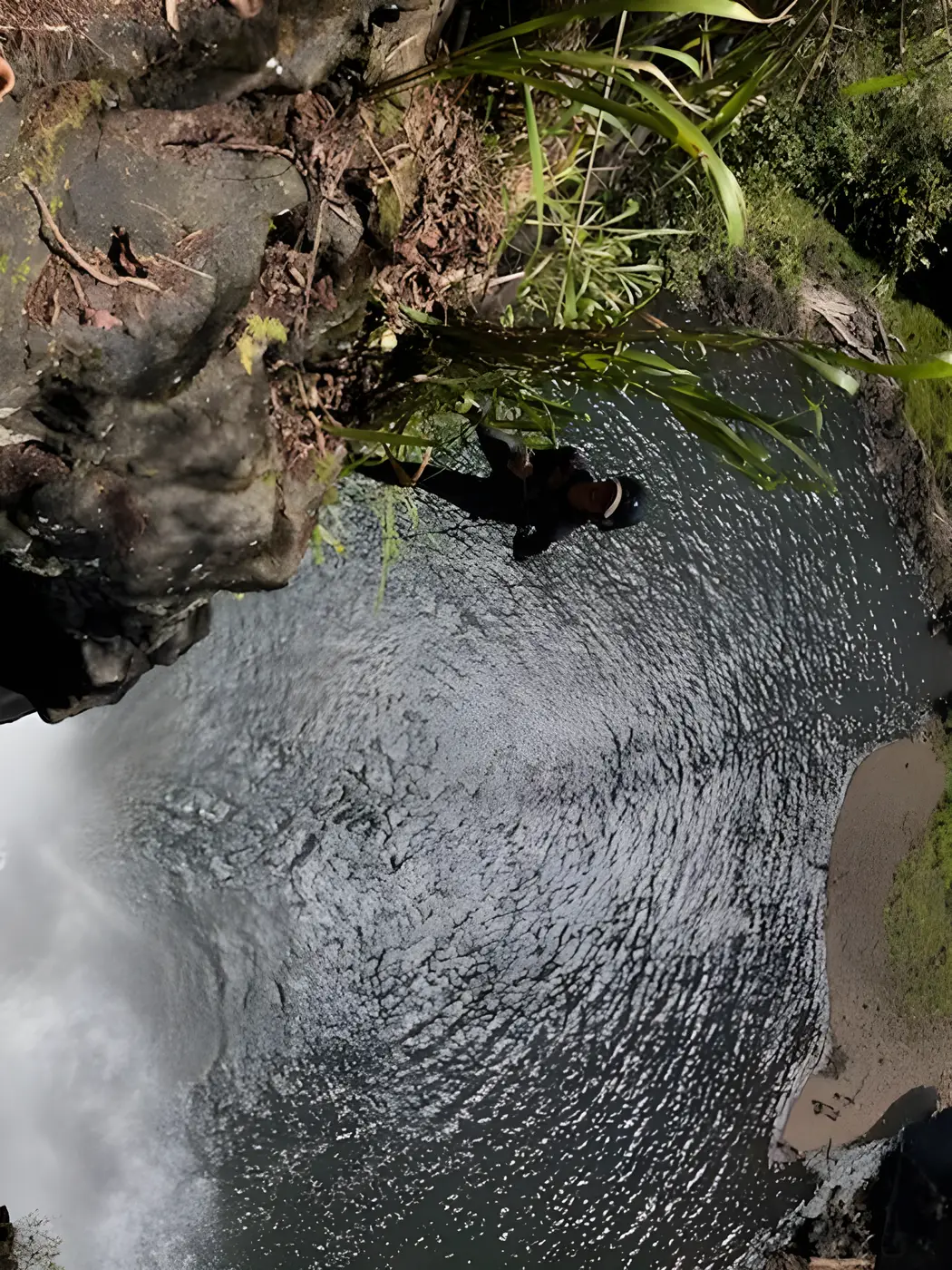
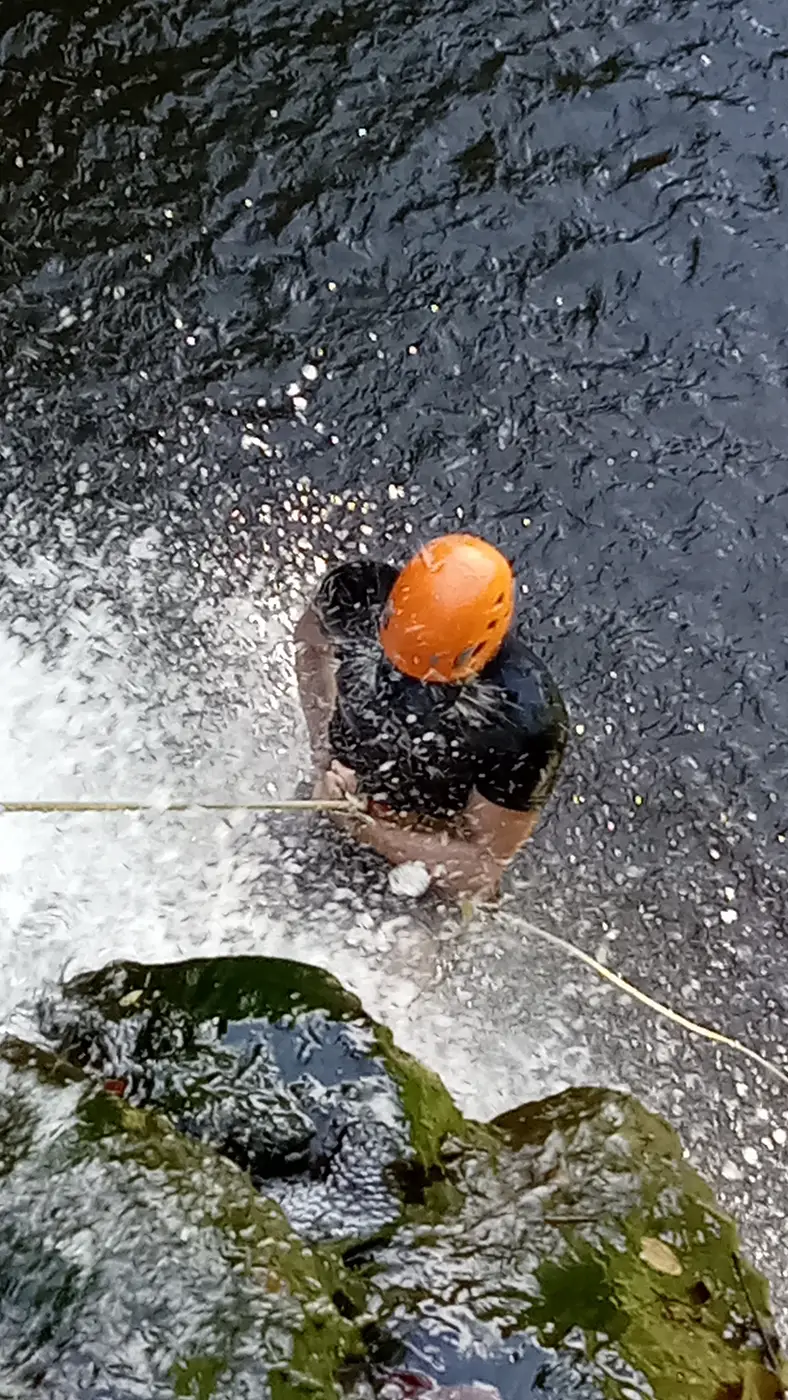
If looking at a waterfall isn't enough, you can go down one. Waterfall rappelling means walking backward down the face of the falls on a rope, controlling your own speed, with a guide coaching you from the top and a second guide holding a backup line from below.
On Kauai it happens on private land with a guide, and that's the only way it should happen. Anchors, ropes, rescue skills and constant weather checks are what make it safe. Please don't improvise with ropes at public waterfalls.
We run private waterfall rappel trips on Kauai for every level, from a first rappel to a full canyoneering day. New to the idea? Start with what waterfall rappelling is and how it works.
Kauai waterfall safety
Every year, visitors are hurt or killed at Kauai's waterfalls and streams, almost always for the same few reasons. After 14+ years guiding here, these are the rules I follow:
- Check the weather for the mountains, not the beach. It can be sunny where you are and pouring upstream. Watch for flash flood watches and warnings.
- Never cross a rising or muddy stream. Wait it out, even if it takes hours. Water drops as fast as it rises.
- Stay back from the top of any waterfall. The rock at the edge is the slickest rock on the island.
- Respect closures and private land. Many trails cross private property or sacred places. "Kapu" means keep out.
- Tell someone your plan, carry water and a light, and turn around early. Cell service disappears quickly in the valleys.
Questions
What is the most famous waterfall on Kauai?
Wailua Falls is the easiest famous one to see, a short drive from Līhu'e with a roadside lookout. The fall from Jurassic Park is the most famous overall, but it can only be seen from a helicopter.
Can you swim in waterfalls on Kauai?
At some, yes, in calm conditions. Never jump, don't swim directly under the falling water, keep cuts covered and get out if the water turns brown or starts rising.
What is the best waterfall hike on Kauai?
Hanakāpī'ai Falls on the north shore is the most dramatic, but it's a long, muddy day and needs a Hā'ena State Park reservation. For an easier half day, paddle the Wailua River and hike to Uluwehi Falls.
Can you rappel a waterfall on Kauai?
Yes, with a guide on private land. We run private waterfall rappel trips for every level.
When is the best time to see Kauai waterfalls?
After rain, especially in the wetter winter months, when the falls are fullest. Go in the morning, and skip hikes with stream crossings if heavy rain is forecast.